
How to Lower Your Electricity Bill at Home
A higher electricity bill does not always mean you are using more appliances. Weather, utility rates, household routines and equipment settings can all affect the total. Instead of buying expensive gadgets right away, start by finding out where your home uses energy and changing habits that create waste.

- 1. Understand what your electric bill is telling you
- 2. Review heating and cooling settings
- 3. Replace frequently used older bulbs with LEDs
- 4. Reduce unnecessary standby power
- 5. Use your washer and dryer efficiently
- 6. Check your kitchen appliances
- 7. Reduce unnecessary hot-water use
- 8. Measure before buying energy-saving devices
- 9. Try a simple seven-day electricity check
1. Understand what your electric bill is telling you
Look for electricity used, normally shown in kilowatt-hours (kWh), not just the total amount due. Your bill may also include fixed charges, taxes, rate changes and seasonal adjustments.
Compare usage with a similar month last year when possible. A higher price per kWh can increase the bill even if you use the same amount of energy.
- Find total kWh on the bill.
- Compare usage across similar seasons.
- Check whether the electricity rate or fees changed.
- Identify any new appliances or unusually long heating and cooling periods.
2. Review heating and cooling settings
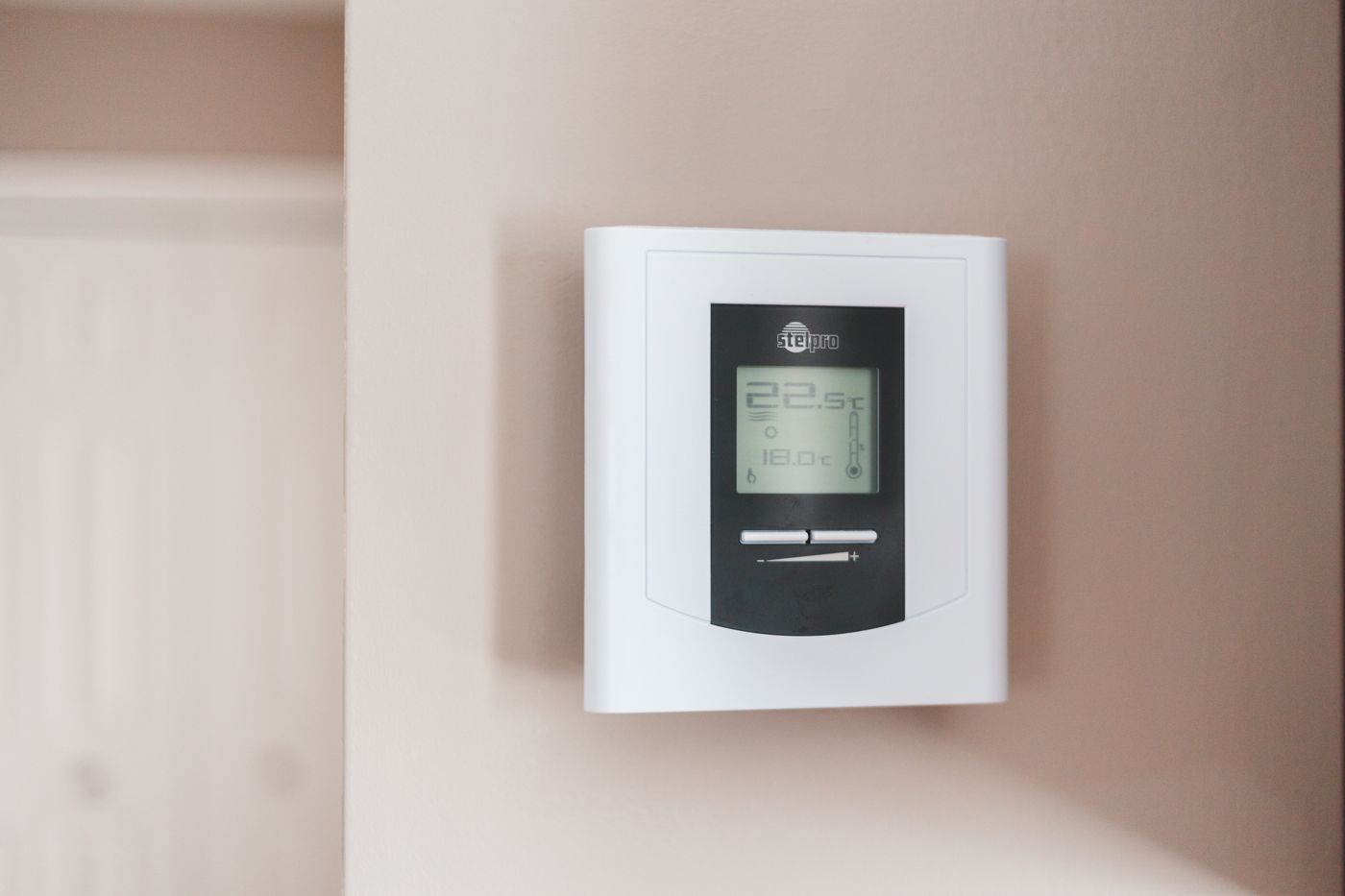
Heating and air conditioning are often major energy users. Choose safe, comfortable thermostat settings and use schedules that reflect when people are home, asleep or away.
Close windows while the system runs, check door seals, and change filters following the manufacturer's guidance. During extreme heat or cold, comfort and safety take priority over savings.
3. Replace frequently used older bulbs with LEDs
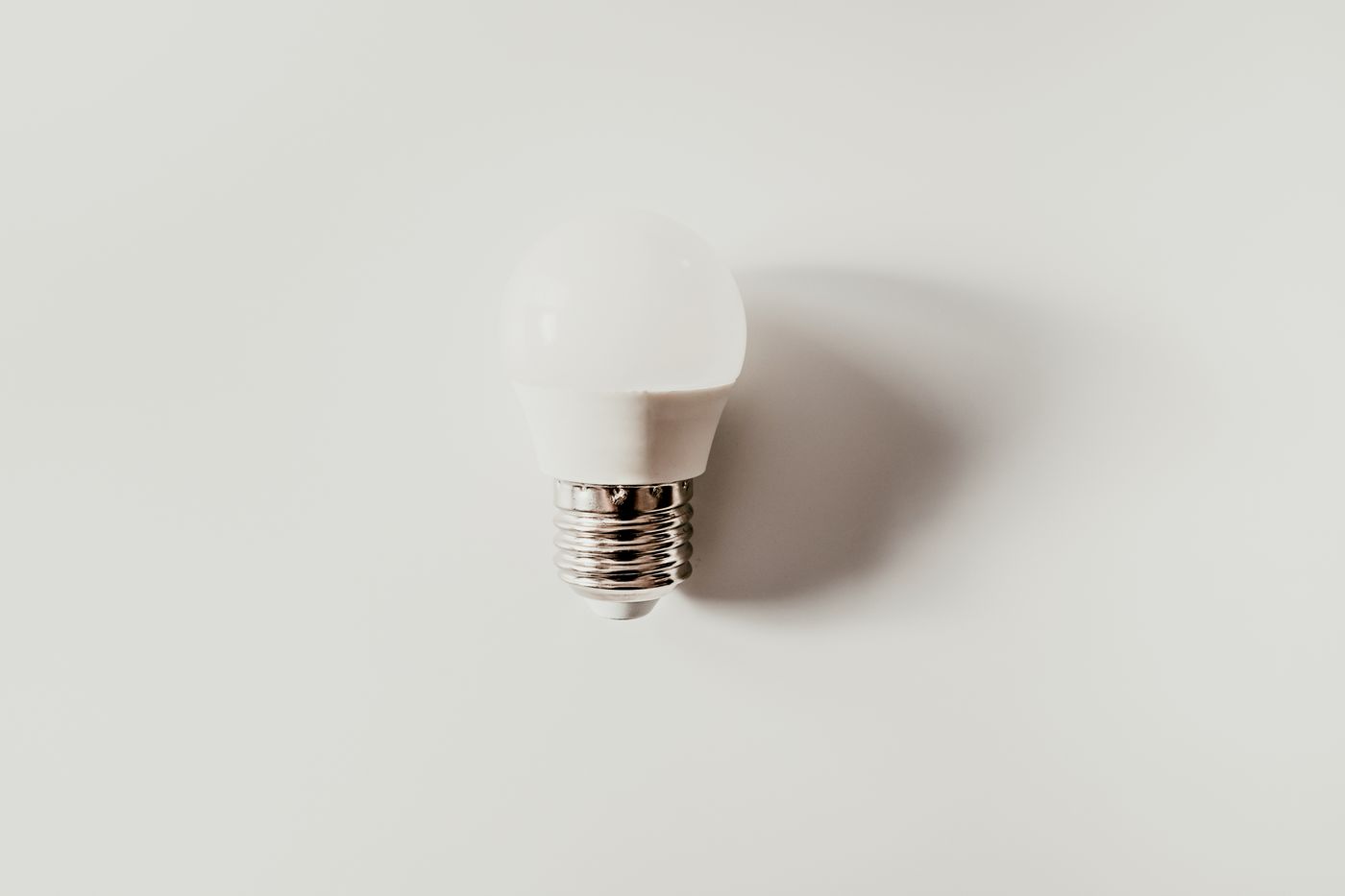
LED bulbs generally use far less electricity than traditional incandescent bulbs. Begin with lamps that stay on for several hours each day, rather than buying replacements for every rarely used fixture at once.
Check brightness in lumens, fitting type, color temperature and dimmer compatibility before purchasing. An efficient bulb still wastes energy if it stays on unnecessarily.
4. Reduce unnecessary standby power
Some devices draw electricity when idle. Consider switching off devices you rarely use or placing suitable electronics on an easy-to-reach power strip.
Leave essential equipment running: internet hardware, medical devices, alarms, refrigerators and other equipment that must stay powered should not be shut off simply to save a little electricity.
5. Use your washer and dryer efficiently
Wash appropriately sized loads instead of running many tiny loads, but do not overload the machine. Use cooler water when care labels and cleaning needs allow.
Clean the dryer lint filter as directed and avoid overdrying. Air drying can help for suitable garments and towels when ventilation and humidity permit. For a related laundry problem, see our guide on why towels may smell after washing.
6. Check your kitchen appliances
Keep your refrigerator door seals clean and check that doors close fully. Allow air to circulate where the appliance maker specifies, and avoid leaving doors open while deciding what to eat.
Small cooking choices can matter: heat only the water you need and use suitable cookware. Do not change appliance temperature settings in ways that compromise food safety.
7. Reduce unnecessary hot-water use
Shorter showers, fixing a dripping hot-water faucet and using cooler laundry cycles where appropriate may reduce the energy needed to heat water.
If you adjust a water heater's thermostat, follow the manufacturer's instructions and consider scalding and water-safety risks. A setting appropriate for one home is not automatically safe for every household.
8. Measure before buying energy-saving devices
A new appliance may use less electricity than an old one, but the price matters. Compare estimated yearly energy use, purchase price, warranty, and expected lifespan before buying.
An inexpensive plug-in electricity monitor can help identify power-hungry devices that plug into an outlet. Do not use one beyond its rated capacity or on hardwired equipment.
9. Try a simple seven-day electricity check
- Day 1: Record the current meter or usage reading, if available.
- Day 2: Check thermostat schedules and filters.
- Day 3: List high-use lights and replace worn-out incandescent bulbs with compatible LEDs.
- Day 4: Check standby devices that can safely be switched off.
- Day 5: Review laundry and water-heating habits.
- Day 6: Inspect door and window drafts.
- Day 7: Compare readings or your utility app, then choose two habits to maintain.
One week is not enough to prove your bill will fall; weather and occupancy vary. Use the checklist to build a baseline and review the next few monthly bills for a clearer picture.
Frequently asked questions
What usually uses the most electricity in a house?
It depends on the home, climate and equipment. Heating, cooling, water heating and large appliances are common places to investigate first.
Will unplugging every charger make a big difference?
Individual modern chargers often use little power when idle. Focus first on the biggest loads, then reduce unnecessary standby use safely.
Is it worth switching to LED bulbs?
Often yes, especially for frequently used fixtures that still have incandescent bulbs. Match the bulb to the fixture and compare total cost.
Sources and further reading
Keep reading

Why Towels Smell After Washing (and How to Fix It)
Musty towels often come down to trapped moisture, detergent residue or washer buildup. Here's a safe step-by-step reset.
Read the guide
How to Make Text Bigger on iPhone and Android
Find the right text-size settings for iPhone, Samsung Galaxy, and Android. Includes fixes for apps that still look too small.
Read the guide